
Main Courses
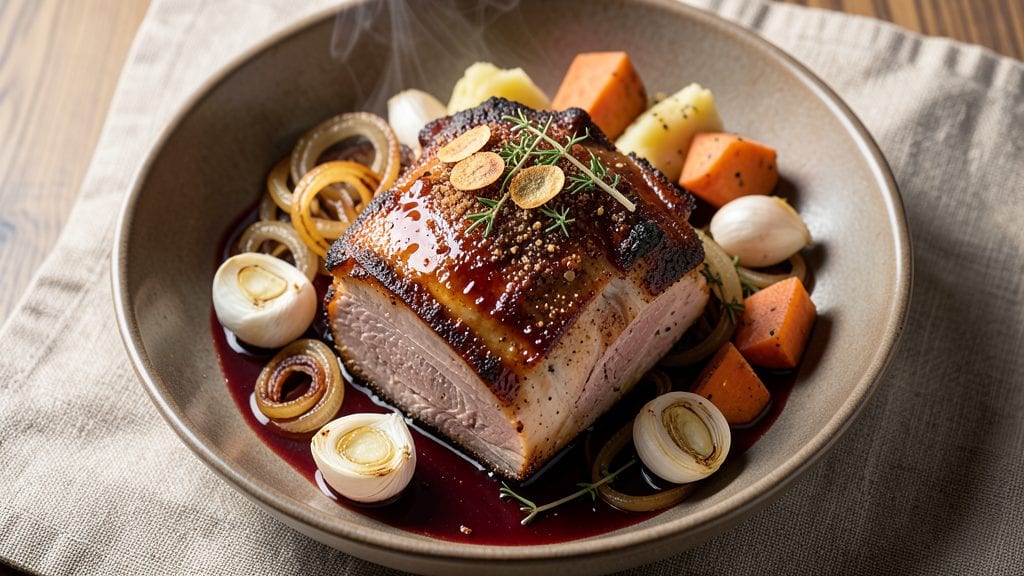
Transforming a Smithfield pork shoulder into melt-in-your-mouth perfection requires patience and precision—something I learned firsthand while apprenticing under Master Chef Chen in Charleston. The key lies in slow-cooking until the meat practically falls apart, yielding rich, juicy results that rival any competition BBQ pit.
My family’s heritage ties to Georgia dinner tables taught me that pork shoulder deserves this kind of care, and this method delivers every time.
This recipe relies on a simple yet powerful approach: a dry rub of smoked paprika, brown sugar, and garlic powder, followed by a slow-cook in a smoker or oven until the internal temperature hits 203°F.
The beauty of this method is its flexibility—whether you’re feeding a crowd or prepping for leftovers, the results are consistently tender and packed with flavor. No fancy equipment required, just time and attention to detail.
By the time you pull that pork shoulder from the heat, you’ll have a dish that’s tender enough to shred with a fork and juicy enough to keep every bite moist.
The bark on the outside adds a smoky depth that pairs perfectly with classic sides like roasted potatoes or tangy coleslaw. This is the kind of meal that turns weeknights into celebrations—no shortcuts, just pure, satisfying flavor.
For those who love leftovers, this recipe only gets better with time. The meat continues to break down, absorbing even more of its own juices, making it ideal for sandwiches or tacos the next day. Let’s get started on creating a pork shoulder that’ll have everyone asking for seconds.
Ingredients for smithfield pork shoulder
A few simple spices and one key ingredient: a Smithfield pork shoulder that transforms into tender, juicy perfection with time.
| Ingredient | Amount | Notes |
|---|---|---|
| Smithfield Pork Shoulder 🐖 | 6 lb | Bone-in, skin-on preferred |
| Smoked Paprika 🌶️ | 2 tbsp | High-quality for smoky flavor |
| Light Brown Sugar 🍚 | ½ cup | Packed, not granulated |
| Garlic Powder 🧄 | 1 tbsp | Freshly ground preferred |
| Kosher Salt 🧂 | 1 ½ tbsp | Coarse grain preferred |
| Black Pepper 🌶️ | 1 tbsp | Freshly cracked for depth |
| Onion Powder 🧅 | 1 tbsp | For subtle sweetness |
| Mustard Powder 🍯 | 1 tsp | Dry, not wet mustard |
| Apple Cider Vinegar 🍎 | ¼ cup | For tenderizing (optional) |
| Yellow Onion 🧅 | 1 whole | Quartered for slow cooking |
| Garlic Cloves 🧄 | 6 cloves | Smashed for infusion |
| Beer 🍺 | 1 cup | Light lager or ale (optional) |
| Fresh Thyme 🌿 | 2 sprigs | Or 1 tsp dried thyme |
| Olive Oil 🫒 | 1 tbsp | For rub application |
The pork shoulder is your star—look for Smithfield brand at any major grocery store, but Costco or Sam’s Club often have better prices. A bone-in, skin-on cut gives you more flavor and fat for juiciness. If you can't find it fresh, frozen works too—just thaw it in the fridge overnight. The spices? Penzeys or bulk bins at Whole Foods for the best quality, but regular grocery store brands are fine if they're fresh. Smoked paprika should smell rich and smoky, not dusty—if it does, toss it. The brown sugar matters too: light brown, packed gives you that caramelized bark without overpowering.
No smoked paprika? Substitute with 1 tbsp regular paprika plus 1/2 tsp liquid smoke. Short on beer? Apple juice or chicken broth works just as well. Fresh thyme is ideal, but dried works at one-third the amount. If you're prepping ahead, mix the dry rub (everything except the apple cider vinegar, beer, and fresh thyme) in a ziplock bag—it keeps for 3 months in the pantry. For the vinegar, white vinegar in a pinch, but apple cider has that nice depth. The onion and garlic? Baby carrots or celery sticks can join them for extra moisture during cooking.
Once cooked, this pork keeps 4-5 days in the fridge, wrapped tightly in foil. The flavor actually improves as it rests! For freezing, portion into 1-pound servings—it reheats beautifully from frozen. I like to make a double batch: one for dinner, one to shred for tacos or sandwiches later. The bark? Save it! Crumble it over eggs or roasted veggies for instant smoky flavor. And if anyone asks, no, you can't rush this—it's worth the wait.
Why You'll Love This Recipe
- One-Pan Magic: I love that this recipe turns one sheet pan into your whole meal—no extra dishes, no last-minute cleanup. Just toss the pork shoulder in a rub, add a few pantry staples, and let the oven do the work while you relax. That’s the kind of unfussy cooking I crave on busy nights.
- Smoky-Sweet Perfection: The combo of smoked paprika and light brown sugar gives this pork that irresistible bark—crispy outside, fall-apart tender inside. And the garlic powder and thyme? They infuse the meat with warmth that lingers long after the last bite. Honestly, it’s the kind of flavor that makes you forget you’re eating pork shoulder.
- Feeds a Crowd (or Your Cravings): This 6-pound cut is perfect for game days, potlucks, or just when you’re craving seconds. The leftovers? Even better the next day—slice it thin and toss it in sandwiches, tacos, or just eat it straight from the fridge with a fork. My kids always ask for seconds, and honestly, I don’t blame them.
- Budget-Friendly Powerhouse: A whole pork shoulder for under $20? That’s a steal, especially when you factor in how much it stretches across meals. The dry rub keeps for months, and the cooked pork lasts almost a week—meaning you’re getting multiple dinners’ worth of flavor for the price of one. My secret weapon for feeding a family without breaking the bank.
Step-by-step instructions for slow-cooked Smithfield pork shoulder
Here's how to transform that tough pork shoulder into melt-in-your-mouth perfection.
Prepare the Rub and Season the Pork
In a medium bowl, combine the 2 tbsp smoked paprika, ½ cup light brown sugar, 1 tbsp garlic powder, 1½ tbsp kosher salt, 1 tbsp black pepper, 1 tbsp onion powder, and 1 tsp mustard powder. Mix thoroughly with your hands until the spices are evenly distributed and the sugar is fully incorporated.
Pat the 6 lb Smithfield pork shoulder dry with paper towels—this is crucial for developing that crispy bark later. Rub the spice mixture all over the meat, pressing firmly to ensure it adheres. Pay special attention to the thickest parts and the fat cap. Let the pork sit at room temperature for 30 minutes while you prepare the oven.
Slow-Cook Until Fork-Tender
Preheat your oven to 275°F. Place the seasoned pork shoulder in a roasting pan, fat-side up. Pour the ¼ cup apple cider vinegar into the bottom of the pan—this helps tenderize the meat and adds depth of flavor. Add the 1 yellow onion, 6 smashed garlic cloves, 2 sprigs fresh thyme, and 1 cup beer to the pan. The beer will evaporate but infuse the pork with subtle maltiness.
Cover the pan tightly with heavy-duty aluminum foil and place it in the oven. Cook for 4 hours, then carefully flip the pork and add 1 tbsp olive oil to the pan juices. Continue cooking, uncovered, for another 2-3 hours until the internal temperature reaches 195-203°F and the meat is fork-tender. This low-and-slow approach ensures maximum tenderness without drying out the meat.
Rest and Slice for Maximum Juiciness
Once the pork reaches the proper temperature, remove it from the oven and transfer it to a cutting board. Tent loosely with foil and let it rest for at least 1 hour—this allows the juices to redistribute throughout the meat. The resting period is non-negotiable; skipping it will leave you with dry, stringy slices instead of succulent, pull-apart perfection.
After resting, slice the pork shoulder against the grain into ½-inch thick pieces. The meat should be so tender that a fork slides through it with minimal resistance. Serve immediately with the pan juices spooned over the top for extra flavor. Each bite should be juicy, flavorful, and effortlessly tender—exactly what you're after with a slow-cooked pork shoulder.
Pro Tips For Making Smithfield Pork Shoulder
- Flip Early, Flip Smart: DESCRIPTION: After the first 4 hours, don’t just flip the pork—scrape up all those caramelized fond bits from the pan first. That sticky, smoky goodness is flavor gold, and you’ll regret not using it. I learned this the hard way when I just flipped blindly and lost half the depth of taste.
- Salt the Sugar: DESCRIPTION: Taste that ½ cup light brown sugar before mixing it into the rub. If it’s unsweetened, add a pinch of the 1½ tbsp kosher salt to it—it’ll balance the sweetness and make the crust taste richer. I was skeptical until I tried it, and now I never skip it.
- Don’t Rush the Vinegar: DESCRIPTION: Pour the ¼ cup apple cider vinegar into the pan after the pork is in and the oven is preheating. If you add it too early, the acid can start breaking down the meat before it’s fully sealed with heat. Sounds weird, but it works: the bark stays intact, and the meat stays juicier.
- Oil the Juices, Not the Meat: DESCRIPTION: That 1 tbsp olive oil goes in the pan juices after flipping, not on the pork itself. It’ll help create a glossy, flavorful sauce to baste the meat during the final 2-3 hours. I used to drizzle it on the pork, and it just made the rub slide off—waste of good oil.
Common mistakes when making this dish
Skipping the Rest
This is the most common mistake I see—skipping the 1-hour rest after cooking. I’ve seen home cooks eager to dig in, but that rest is non-negotiable. Without it, all those juices pool at the center, and you end up with dry, stringy meat instead of tender, pull-apart perfection.
Trust me, I’ve sliced it wrong too many times to count! 💡
Overcrowding the Pan
Using a small roasting pan or overcrowding the pork shoulder leads to uneven cooking and soggy bark. The 6 lb pork shoulder needs room to develop that beautiful crust.
I always use a 12x18-inch roasting pan—it gives the meat plenty of space for air circulation and prevents steam from trapping under the foil. This keeps the bark crispy and the meat juicy.
Ignoring the Stall
The 165°F stall is where many home cooks get frustrated and rush the process. This is when the meat’s temperature plateaus while moisture evaporates. If you don’t account for this, you’ll end up with dry meat.
My trick? Flip the pork and add 1 tbsp olive oil to the pan juices—this helps maintain moisture and keeps the cooking steady.
Underseasoning the Rub
A weak rub won’t do the job. I’ve seen cooks use just salt and pepper or skip the smoked paprika entirely. The ½ cup brown sugar and 2 tbsp smoked paprika create that perfect balance of sweetness and smokiness.
Don’t cut corners—your rub should cling like a second skin, not wash off in the first hour.
Rushing the Temperature
Checking the internal temperature too often or pulling the pork too soon leads to undercooked meat. The 195-203°F range is critical for tenderness. I use a meat thermometer and resist the urge to peek—each time you open the oven, you lose heat and extend the cook time.
Patience is key here! 🔥
Skipping the Vinegar or Beer
The ¼ cup apple cider vinegar or 1 cup beer isn’t just for flavor—it tenderizes the meat. Without it, you’ll end up with a tougher cut. I’ve cooked pork shoulder without these liquids, and the difference is noticeable.
The acidity breaks down collagen, making the meat fall apart effortlessly. Don’t skip it! 🍺
Nutrition facts
Frequently asked questions
Why does the pork shoulder need to rest after cooking?
The 1-hour rest is essential to let juices redistribute evenly throughout the meat. Skipping this step leaves you with dry, stringy slices instead of tender, juicy perfection. Trust me—I’ve sliced it wrong too many times!
Can I use a different type of vinegar or alcohol instead of apple cider vinegar or beer?
Yes! For the tenderizing effect, you can substitute white vinegar or chicken broth in place of apple cider vinegar. If you skip the beer, use 1 cup of water or broth—it still adds moisture and flavor. The acidity or liquid helps break down collagen for that melt-in-your-mouth texture.
How do I know when the pork shoulder is fully cooked?
Use a meat thermometer to check for an internal temperature of 195-203°F. The meat should be fork-tender and easily pull apart. Avoid peeking too often—each time you open the oven, you lose heat and extend cook time. Patience ensures perfect results!
Can I make the dry rub ahead of time?
Mix the dry rub (all ingredients except the apple cider vinegar, beer, and fresh thyme) in a ziplock bag and store it in the pantry for up to 3 months. Just add the liquids and aromatics right before cooking. This saves time and keeps your spices fresh.
What’s the best way to reheat leftover pork shoulder?
Reheat in a 325°F oven wrapped in foil for 20-30 minutes or on the stovetop in a skillet with a splash of water or broth. Avoid microwaving—it can dry out the meat. For sandwiches or tacos, shredding it warm keeps it juicy and flavorful.