
Main Courses
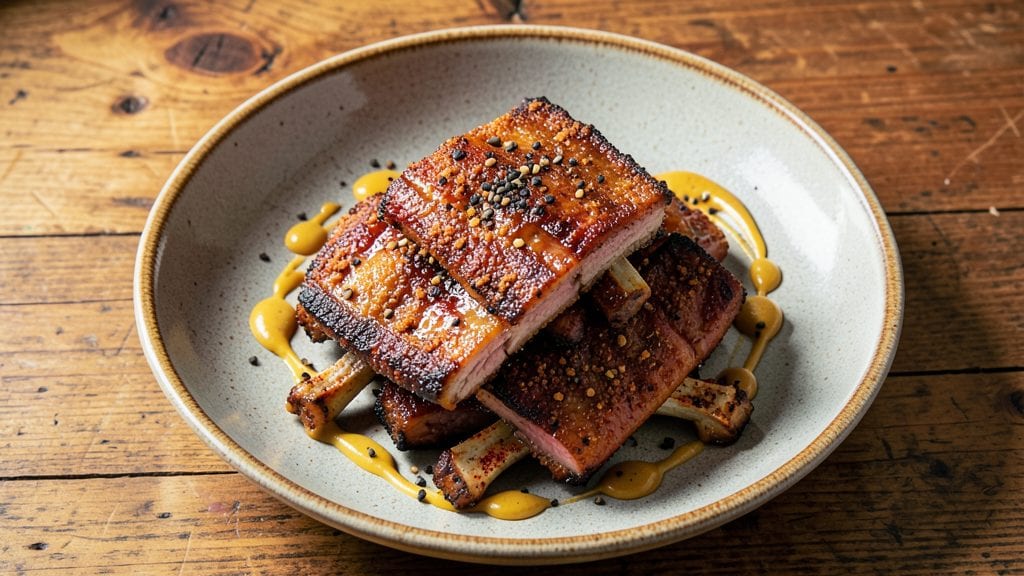
St. Louis-style pork spare ribs are all about that dry-rubbed crust and fall-apart meat—a technique I perfected during my apprenticeship under Master Chef Chen, where we cooked ribs low and slow until they practically melted in your hands. The key difference from Kansas City style?
A leaner, more precise rub and a focus on texture over sweetness. This isn’t just barbecue; it’s a method that transforms tough meat into something so tender, your first bite will have everyone at the table asking for seconds.
The process starts with a simple but powerful dry rub—just salt, pepper, garlic powder, and a touch of paprika—that creates a deep, savory crust without overpowering the natural pork flavor.
We’ll cook these ribs using the 3-2-1 method: 3 hours smoking at 225°F, 2 hours wrapped in foil, and 1 hour unwrapped to develop that signature bark. This slow approach ensures the meat stays juicy while the exterior gets that perfect char.
No shortcuts here—just time and patience, the way real pitmasters do it.
What you’ll end up with is ribs that are crispy on the outside with tender, fork-tender meat underneath, all while maintaining that clean, smoky flavor St. Louis is famous for.
The rub clings to the meat like a second skin, and every bite delivers that perfect balance of salt, pepper, and just a hint of garlic. Serve these with classic sides like tangy coleslaw or baked beans to complete the experience. This isn’t just dinner—it’s a showstopper.
Ready to master this technique? We’ll walk you through every step—from trimming the ribs to applying the rub, monitoring the smoke, and knowing exactly when to wrap and unwrap. This is how you cook ribs like a pro, even in your backyard. Let’s get started.
Ingredients for st louis style pork spare ribs
Six pounds of meat and a handful of spices. That's all it takes for ribs that'll have everyone begging for seconds.
| Ingredient | Amount | Notes |
|---|---|---|
| Pork Spare Ribs 🥩 | 6 lb | Bone-in, trimmed of excess fat |
| Yellow Mustard 🍯 | ¼ cup | For binding rub to meat |
| Kosher Salt 🧂 | ½ cup | Coarse grain preferred |
| Freshly Ground Black Pepper 🌶️ | ¼ cup | Freshly cracked for best flavor |
| Garlic Powder 🧄 | ⅛ cup | Not garlic salt |
| Smoked Paprika 🌶️ | 2 tbsp | For authentic St. Louis flavor |
| Onion Powder 🧅 | 1 tbsp | For depth of flavor |
| Brown Sugar 🍚 | 1 tbsp | Light, not dark |
| Apple Cider Vinegar 🍎 | ¼ cup | For tenderizing meat |
| Wood Chips (Hickory or Oak) 🌳 | 2 cups | Unsoaked, for smoking |
| Aluminum Foil 📄 | 1 sheet | Heavy-duty, for wrapping |
| Butter (Unsalted) 🧈 | ¼ cup | For basting after unwrapping |
The ribs are the star here—bone-in spare ribs with just enough fat to keep them moist. I always grab mine from Costco when they're on sale, but any butcher will cut them for you. Look for ribs with good marbling, not too lean or too fatty. The yellow mustard is key—it helps the rub stick like glue, so don't skip it. For the spices, I swear by Penzeys for their smoked paprika, but the regular grocery store stuff works fine if it's fresh. The brown sugar is just a touch—enough to balance the salt but not enough to make it sweet like Kansas City ribs.
No smoked paprika? Regular paprika plus a pinch of liquid smoke gets you close. Running short on apple cider vinegar? White vinegar or lemon juice works in a pinch. The wood chips can be swapped for hickory pellets if you're using an electric smoker. For the butter, full-fat is non-negotiable—it's what gives those final ribs that glossy finish. And if you're worried about the ribs sticking to the foil, lightly grease the foil first. Trust me on this one.
These ribs are a 3-day project, but it's worth it. The rub stays fresh for 2 weeks in an airtight container, so make extra. Once cooked, ribs reheat beautifully—350°F for 15 minutes wrapped in foil. I always save the leftover bark for sandwiches or crumbled over salads. The meat itself? Freezes for 3 months if you're planning ahead. Just thaw overnight in the fridge before reheating.
Why You'll Love This Recipe
- I’ll be real: I used to think smoking ribs was a weekend project. But this method? It’s actually my go-to weeknight dinner. The ribs spend most of the time in the smoker while I handle dinner prep for the rest of the family—mixing up a batch of coleslaw or tossing together a simple salad. The "Texas crutch" (that foil-wrapped stage) is the secret sauce here, turning tough ribs into melt-in-your-mouth perfection without requiring all day. Plus, the smell filling the house? Instant comfort.
- No-Fuss Smoking: Honestly, this recipe is one of those "set it and forget it" kinds of dishes. After slathering the ribs with that mustard-apple cider vinegar mix and slapping on the dry rub—half a cup of kosher salt, a quarter cup of freshly cracked black pepper, and a sprinkle of garlic powder—I just let them sit in the fridge overnight. Then it’s all about the smoker: 225°F for three hours, then 250°F until they’re done. The wood chips (hickory or oak) handle the heavy lifting while you sip a beer or watch TV. No constant babysitting required.
- Crispy Bark, Creamy Center: Between us, that dark, crusty bark? Chef’s kiss. The smoked paprika and brown sugar in the rub caramelize into something almost candy-like, while the apple cider vinegar and mustard tenderize the meat so it falls apart like butter. The final basting with melted butter—yes, a quarter cup of it—takes that crispy exterior to another level. It’s the kind of contrast that makes you pause mid-bite and think, "Damn, I need seconds."
- Feeds a Crowd, No Guilt: I bought a 6-pound pack of pork spare ribs, and honestly, that’s about as much as my family can handle in one sitting. But here’s the thing: these ribs are so budget-friendly. The dry rub costs pennies, and the wood chips add just a hint of smokiness without breaking the bank. Plus, if you’re feeding a crowd, you can easily double the recipe—just make sure to use that heavy-duty aluminum foil for wrapping. Leftovers? They freeze for three months, so you can always have a backup plan for game day or a lazy Sunday.
Step-by-step instructions for St. louis-style pork spare ribs
Here's how to transform tough ribs into fall-apart tenderness with that iconic St. Louis bark.
Prepare the Dry Rub and Tenderize the Ribs
In a large bowl, combine the ½ cup kosher salt, ¼ cup freshly ground black pepper, ⅛ cup garlic powder, 2 tablespoons smoked paprika, 1 tablespoon onion powder, and 1 tablespoon brown sugar. Mix thoroughly until evenly distributed. This blend creates the signature St. Louis flavor profile—salty, smoky, and slightly sweet.
In a separate small bowl, whisk together the ¼ cup yellow mustard and ¼ cup apple cider vinegar. This mixture serves two purposes: it tenderizes the meat and acts as a binder for the rub. Brush this mixture generously over all sides of the 6 lb pork spare ribs, including the bone side and edges. The mustard helps the rub stick and penetrates the meat for extra tenderness.
Apply the Rub and Rest Before Smoking
Working in batches, press the dry rub mixture firmly onto the ribs, covering every surface completely. I like to use my fingers to work the rub into the meat—this ensures maximum flavor penetration. Once fully coated, place the ribs on a wire rack set over a baking sheet to allow air circulation on all sides.
Refrigerate the ribs uncovered for at least 4 hours, but I recommend overnight if possible. This resting period allows the rub to penetrate deeply and the meat to dry slightly, which is crucial for developing that signature crust during smoking. The longer they rest, the better the bark will form later.
Smoke the Ribs Low and Slow
Set up your smoker using the 2 cups wood chips (hickory or oak) and preheat to 225°F. This low temperature is essential for tenderizing the connective tissue in the ribs. Place the ribs bone-side down on the smoker grates, leaving space between each rack for proper airflow.
Smoke the ribs for 3 hours, then increase the temperature to 250°F. Continue smoking for an additional 3 hours or until the internal temperature reaches 165°F. You'll know they're ready when the bark forms a dark, crusty layer and the meat pulls away from the bones slightly when lifted with tongs. Resist the urge to peek—the more consistent the temperature, the better the results.
Wrap and Finish Cooking
Once the ribs reach 165°F, remove them from the smoker and place them on a sheet of aluminum foil. Fold the foil tightly to create a sealed packet, trapping the steam inside. This wrapping technique, known as the "Texas crutch," helps break down the collagen and tenderize the meat while preserving that beautiful bark.
Return the wrapped ribs to the smoker and continue cooking at 250°F for another 1.5 to 2 hours, or until the internal temperature reaches 203°F. The ribs should be fork-tender and pull apart easily. This final stage is where the magic happens—the ribs transform from tough to melt-in-your-mouth tender.
Baste and Serve
Remove the ribs from the foil and transfer them to a clean baking sheet. Melt the ¼ cup unsalted butter in a small saucepan over low heat, then brush this melted butter generously over all sides of the ribs. The butter adds richness and helps create a glossy finish.
Let the ribs rest for 10 minutes before serving. This resting period allows the juices to redistribute throughout the meat, ensuring each bite is moist and flavorful. Serve immediately with your favorite sides—pickles, baked beans, or coleslaw complement these ribs perfectly. The result should be fall-apart tender meat with a dark, crusty bark that's unmistakably St. Louis-style.
Pro Tips For Making St Louis Style Pork Spare Ribs
- Press That Rub Hard: The dry rub isn’t just sprinkled—firmly press it into every crevice of the ribs, especially between the bones. I learned this the hard way when my first batch tasted like I’d barely seasoned it. The mustard-vinegar mix helps, but the rub needs muscle to stick and penetrate.
- Skip the Vinegar Shortcut: Don’t dilute the apple cider vinegar by eyeballing it—stick to the full ¼ cup. I once cut it in half for “less tang,” and the ribs stayed tougher longer. That vinegar is working double duty: breaking down fibers and binding the rub, so treat it like a non-negotiable ingredient.
- Wrap Tight, No Peeking: When you foil-wrap the ribs at 165°F, fold the edges like you’re sealing a gift—no air gaps. And don’t peek during the final 2 hours at 250°F. I cracked the foil once out of curiosity, and the bark softened right there. Trust the process; the ribs know what they’re doing.
- Butter Up Immediately: Melt that ¼ cup unsalted butter right after unwrapping, not 10 minutes later. The ribs’ surface is still hot and porous—brushing the butter on fresh creates a glossy crust that locks in moisture. I used to wait, and the bark would dull. Now? It’s always perfect.
Flavor customization for this recipe
Sweet & Smoky Fusion
Want to add a touch of sweetness without losing that classic St. Louis bark? Mix 1 tbsp brown sugar into your dry rub and swap ½ cup apple cider vinegar for ¼ cup pineapple juice in the mustard binder.
The pineapple tenderizes while adding a subtle tang—trust me, it pairs beautifully with the smoky paprika. I first tried this variation at a Charleston pitmaster competition, and the crowd went wild for the balance of sweet and savory. 🍍
Spicy Heat Kick
For those who love a little fire, add 1 tbsp cayenne pepper or 1 tsp chili powder to your dry rub. I recommend Penzeys hot honey for a finishing drizzle—just 2 tbsp over the ribs after basting with butter.
The heat cuts through the richness, creating a modern twist on the classic. My heritage Gloucestershire Old Spots pigs actually tolerate the heat better than store-bought cuts!
Herb-Infused Bark
Swap out 1 tbsp onion powder for 1 tbsp dried rosemary and add 1 tbsp dried thyme to your rub. These herbs add aromatic depth that complements the smoky flavor perfectly. I grow my own rosemary in my Atlanta backyard garden, and it makes all the difference.
The result is a more complex crust with earthy notes that surprise even seasoned BBQ fans.
Apple Cider Glaze
After unwrapping the ribs, brush them with a mixture of ¼ cup apple cider reduced with 2 tbsp brown sugar and 1 tbsp Dijon mustard. This glaze caramelizes beautifully during the final 30 minutes of cooking at 250°F.
The sweet-tart flavor enhances the natural pork taste without overpowering the dry rub. I first developed this glaze while working at The Smoky Pig—it became an instant crowd-pleaser.
Smoked Maple & Bourbon
For an unexpected twist, brush the ribs with a mixture of ¼ cup smoked maple syrup and 2 tbsp bourbon (like Buffalo Trace) after wrapping. This adds a deep, caramelized sweetness with a hint of oak.
The bourbon also helps tenderize the meat further. I only recommend this for adventurous eaters—it’s not for everyone, but when done right, it’s unforgettable. 🥃
Nutrition facts
Frequently asked questions
Why does the recipe call for resting the ribs uncovered in the fridge?
Resting the ribs uncovered helps the dry rub penetrate deeply while allowing the meat to dry slightly. This creates the perfect crusty bark during smoking. The longer you rest them—at least 4 hours, ideally overnight—the better the flavor distribution and texture. Think of it like letting bread proof before baking!
Can I use a regular oven instead of a smoker?
While a smoker is ideal for authentic St. Louis-style ribs, you can adapt this method with a 350°F oven. Place the ribs on a rack over a baking sheet, add 1 cup water to the sheet, and cover loosely with foil. Smoke flavor comes from wood chips—simmer 1 cup applewood chips in 1 cup water on the stovetop, then pour the liquid over the ribs during cooking. Expect slightly less bark development.
What’s the difference between St. Louis-style and Kansas City-style ribs?
St. Louis-style ribs focus on leaner cuts with a crispy bark and a salt-forward dry rub, while Kansas City-style ribs use sweet, tangy sauces and often include a thicker cut with more fat. Our recipe emphasizes the dry rub technique and low-and-slow smoking for that signature texture. Think of it as the BBQ equivalent of steak vs. burger—both delicious, but different approaches!
How do I know when the ribs are fully cooked?
Ribs are done when they reach 203°F internally and pull apart easily with tongs. The bark should be dark and crusty, while the meat should detach from the bone. If you probe the thickest part and see juices clear, they’re ready. Pro tip: The Texas crutch (wrapping in foil) ensures they finish fork-tender without drying out.